Andor - Season 1 May 2026

In an age of franchise content designed to be consumed and forgotten, Andor demands to be felt. It is a story about the cost of freedom, the banality of evil, and the terrible beauty of choosing to fight back. It ends not with a victory, but with the sound of a bell and a people marching toward their certain death—because for the first time, they have nothing left to lose.

The second belongs to Maarva Andor (Fiona Shaw), Cassian’s late adoptive mother. Her pre-recorded hologram speech at her own funeral is not a call to glory, but a call to shame: “Fight the Empire! You stay quiet, you stay comfortable—you are just as bad as them.” It transforms a sad gathering into a spontaneous insurrection, proving that revolutions are often started by the dead. Diego Luna’s Cassian is a radical protagonist for the franchise. He is not brave; he is paranoid. He is not idealistic; he is selfish. In the first three episodes, he accidentally kills two corporate security guards and spends the rest of the season running from that mistake. His arc is not from rogue to hero, but from survivalist to revolutionary—a shift born not from a call to adventure, but from witnessing the systematic breaking of everyone he loves. Andor - Season 1

It understands that the original Star Wars was a Vietnam War allegory about an underdog insurgency fighting a fascist superpower. Andor simply removes the fairy tale armor and looks at the blood underneath. In an age of franchise content designed to

The supporting cast is equally devoid of archetypes. Mon Mothma (Genevieve O’Reilly), the beloved Rebel leader, is shown trapped in a loveless marriage, laundering money through a shady banker, and contemplating selling her own daughter into a political marriage. Syril Karn (Kyle Soller), the Imperial supervisor, is a pathetic fascist incel whose obsession with order is more tragic than menacing. Dedra Meero (Denise Gough) is the Empire’s true villain—a middle-manager genius who deduces the Rebellion’s existence through data analysis, not the Force. Andor Season 1 is not a Star Wars show for everyone. If you come for cute droids and western shootouts, you will find a bleak, talky, slow-paced political thriller. But if you come for great art, you will find the best thing Disney has produced under the Lucasfilm banner. The second belongs to Maarva Andor (Fiona Shaw),

The answer is ugly. It is built by cynics like Luthen Rael (Stellan Skarsgård, in a performance of volcanic intensity), who admits he has sacrificed his soul and "used the innocent to buy time." It is built by thieves like Cassian, who joins the fight not for freedom, but for money. It is built by accident, by desperation, and by the inevitable friction of oppression. In an era of disposable streaming dialogue, Andor delivered two of the most stunning monologues in the Star Wars canon. The first belongs to Luthen Rael, who confesses to a spy that he has damned himself: “I burn my decency for someone else’s future. I burn my life to make a sunrise that I know I’ll never see.” It is a thesis statement for the morally compromised adult who must fight a war without hope of victory.

In the sprawling cosmos of Star Wars , where the Force flows through Jedi, redemption arcs define Sith Lords, and the fate of the galaxy rests on the shoulders of a chosen few, a strange thing happened in 2022. A prequel series about a minor character from a spin-off film ( Rogue One ) arrived with little of the traditional iconography. There were no lightsabers, no Skywalkers, no mystical energy fields. Instead, there were filing cabinets, ledgers, corporate mergers, and prison labor.

That show was Andor , and its first season didn’t just exceed expectations—it fundamentally redefined what Star Wars can be. From the opening frames, Andor distinguishes itself with texture. Creator Tony Gilroy (the writer/director known for the Bourne series and the salvage job on Rogue One ) strips away the romanticism of the Rebellion. The Empire is not a collection of cackling villains or incompetent stormtroopers; it is a fascist bureaucracy. Its terror comes not from a superlaser, but from the cold, logical machinery of power: Pre-Mor security audits, Imperial zoning laws, and the meticulous tyranny of the Preox-Morlana corporation.

There’s no shortage of reasons why ACOMAF has become a literary sensation. Here are a few aspects of the book that fans can’t stop talking about:

Feyre’s transformation in this book is one of the most celebrated arcs in fantasy fiction. Readers appreciate her struggles with PTSD, her healing process, and the strength she finds to reshape her future. Beyond Feyre, Rhysand emerges as a fan-favorite character, with his wit, vulnerability, and unwavering belief in her potential.

This book dives deep into themes of healing, self-discovery, and empowerment. It also explores the dynamics of healthy relationships through trust and mutual respect. For many, Feyre’s journey of breaking free from emotional chains and discovering her worth is intensely relatable.

Sarah J. Maas has a talent for making her world vivid and her characters unforgettable. Her prose is immersive, filled with heart-stopping dialogue, edge-of-your-seat action, and swoon-worthy romance that readers adore. Each revelation feels earned, and every quiet moment is just as impactful as the grand conflicts.

The introduction to the Night Court and its inner circle is one of the highlights of the book. From the loyal Cassian and Azriel to the sharp-tongued yet fiercely loyal Mor and resourceful Amren, each character adds depth and charm to the story.

Maas writes romance like no other. Feyre and Rhysand’s evolving relationship is written with subtlety, slow-burning tension, and emotions so real they leap off the page. Their dynamic is as complex as it is captivating.

A powerful part of the story is its focus on healing and redemption. Both Feyre and Rhysand confront past traumas, making their journeys emotional and relatable. Maas shows that recovery isn’t linear but takes courage, vulnerability, and love. The emphasis on self-acceptance and meaningful connections adds depth to the tale.

Set in the richly imagined world of Prythian, A Court of Mist and Fury continues the story of Feyre Archeron, a woman who has come back stronger but carries the weight of her dark past.

Plot Summary

After surviving the horrors of Amarantha’s rule Under the Mountain, Feyre returns to the Spring Court with Tamlin, but all is not as perfect as it seems. Haunted by the sacrifices she made and the terrible acts she committed to save Tamlin’s people, Feyre finds herself breaking under the pressure, unable to reconcile her actions and the suffocating role expected of her.

Yet, Feyre has her own unfulfilled obligations. There is her bargain with Rhysand, the enigmatic High Lord of the Night Court, who unexpectedly whisks her away into his domain. What begins as reluctant visits to the feared and mysterious Night Court turns into something much more profound. She discovers a world of dazzling magic, political intrigue, and individuals who challenge not only her perceptions but also her very sense of self.

With looming threats against Prythian and her newfound powers as High Fae, Feyre must make choices that could alter the fate of her world. Will she be the key to uniting the fractured courts, or will her broken soul lead to Prythian’s downfall?

A Court of Mist and Fury
Andor - Season 1

If you’re eager to read ACOMAF and are looking for a legal way to access a PDF version, here’s where to start:

  • Official Retailers

Major e-book platforms like Amazon Kindle, Barnes & Noble, and Kobo offer digital versions of the book. Once purchased, these files can often be converted for multiple devices or even read offline through their apps.

  • Public Libraries

Check if your local library offers digital lending services through apps like OverDrive or Libby. Many libraries have eBook versions of popular titles that you can borrow for free.

  • Publisher’s Website

Visit Bloomsbury Publishing’s website or Sarah J. Maas’s official site for links to authorized retailers selling digital formats of the book.

Remember, supporting authors by purchasing their work legally ensures they can continue creating worlds we love!

The A Court of Thorns and Roses fandom is as rich and creative as Prythian’s courts. Fans have expanded the story beyond the books in exciting ways:

1. Fan Theories

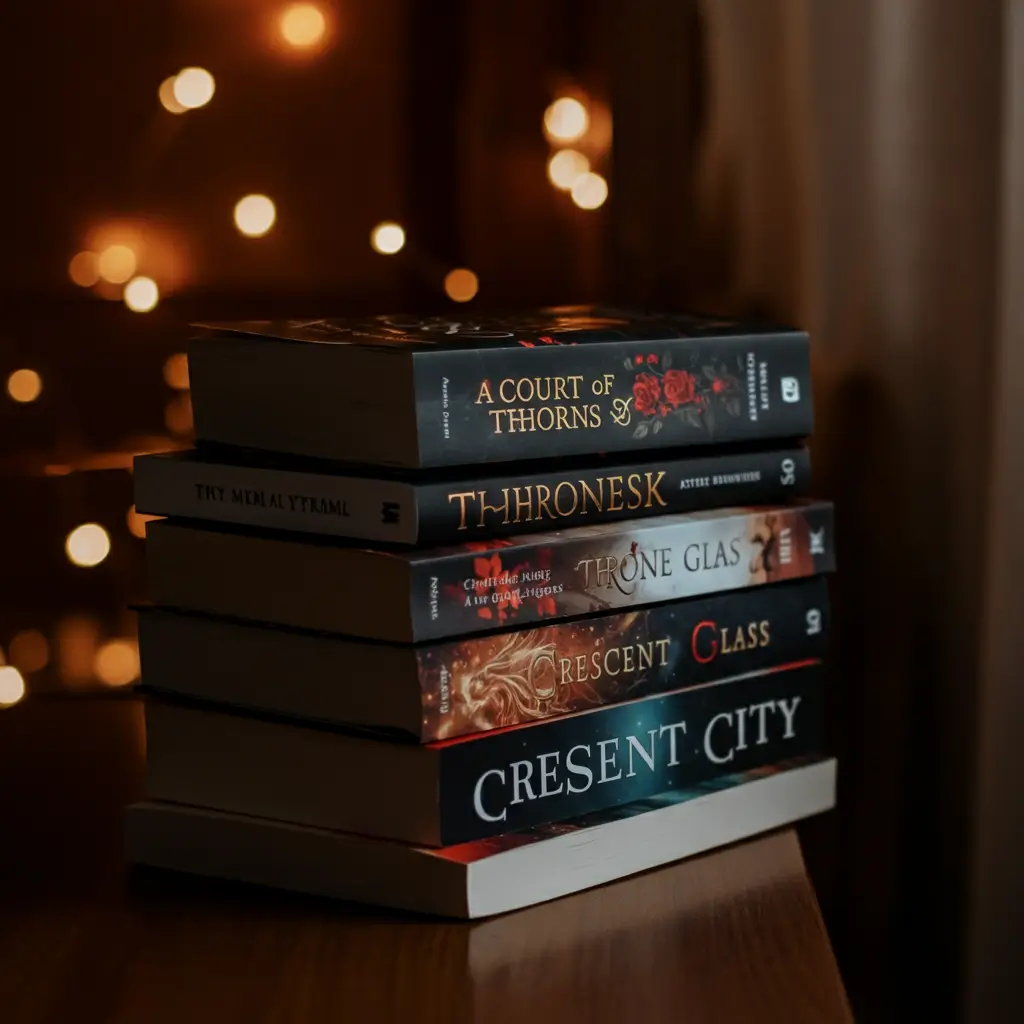
Many readers speculate about the larger connections between the ACOTAR series and Maas’s other works, such as Crescent City and Throne of Glass. Could these worlds be part of the same universe? The theory has sparked countless discussions online.

2. Fan Art

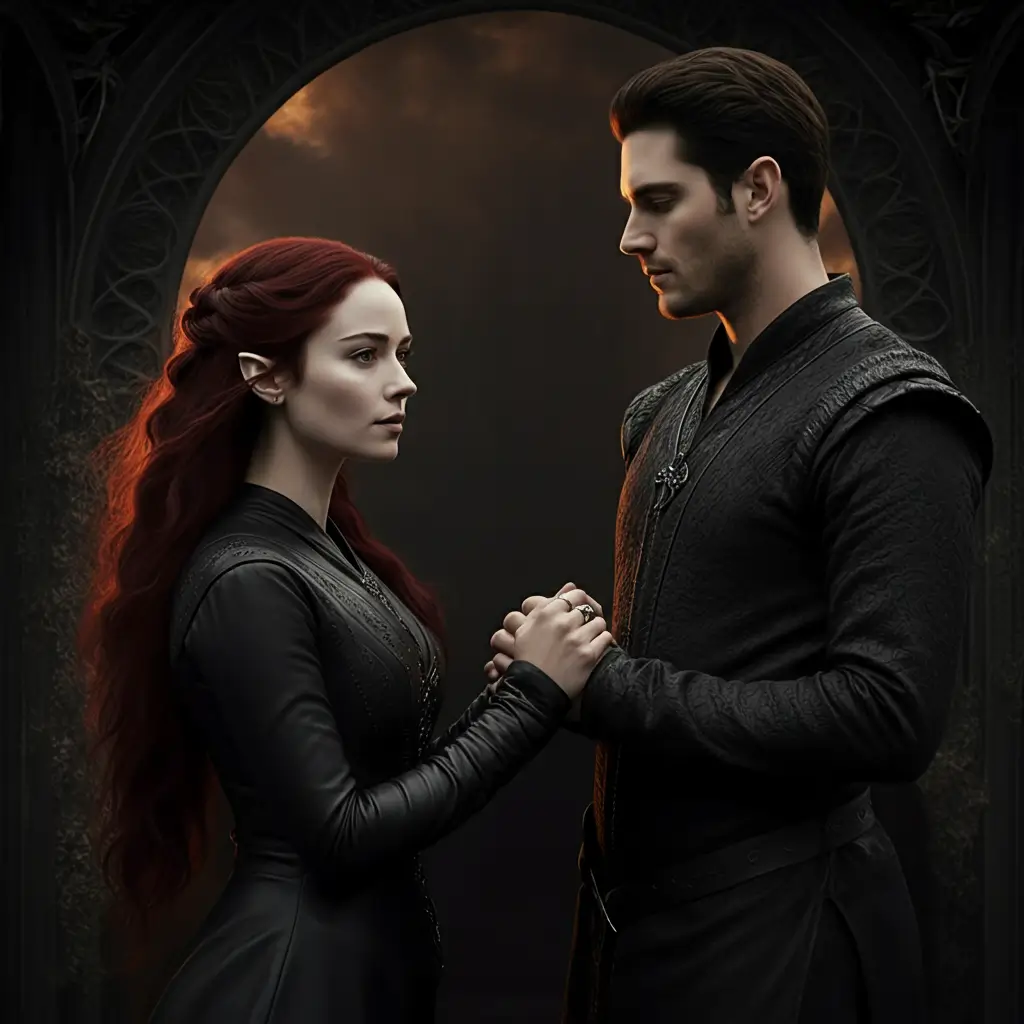
The vivid descriptions in ACOMAF have inspired talented artists to bring Feyre, Rhysand, and the Night Court to life. Platforms like Instagram, Etsy, and TikTok overflow with incredible artwork that highlights key scenes and characters.

3. Community Engagement

Join fan groups on Reddit, Facebook, or Discord to connect with other Maas enthusiasts. Discuss your favorite moments, trade theories, and find your next favorite fantasy read.

4. Merchandise

Celebrate your love for the series with themed merchandise, like Night Court insignia mugs, bookmarks, and quote-based apparel from fan-favorite shops on Etsy.

ACOMAF pdf

Discover Your Next Adventure

Sarah J. Maas has created a world with A Court of Mist and Fury that continues to inspire, heal, and ignite passion in its readers. Whether you’re here for the romance, the action, or the incredible character transformations, one thing is certain: this book will stay with you long after you turn the last page.

If you’re ready to step into Feyre’s shoes and explore the courts of Prythian, grab a copy of A Court of Mist and Fury today. Want to connect with like-minded fans? Join book clubs or social communities and share your thoughts—we’d love to hear them.

Start reading or re-reading A Court of Mist and Fury now, and discover why it remains at the top of fantasy must-reads.