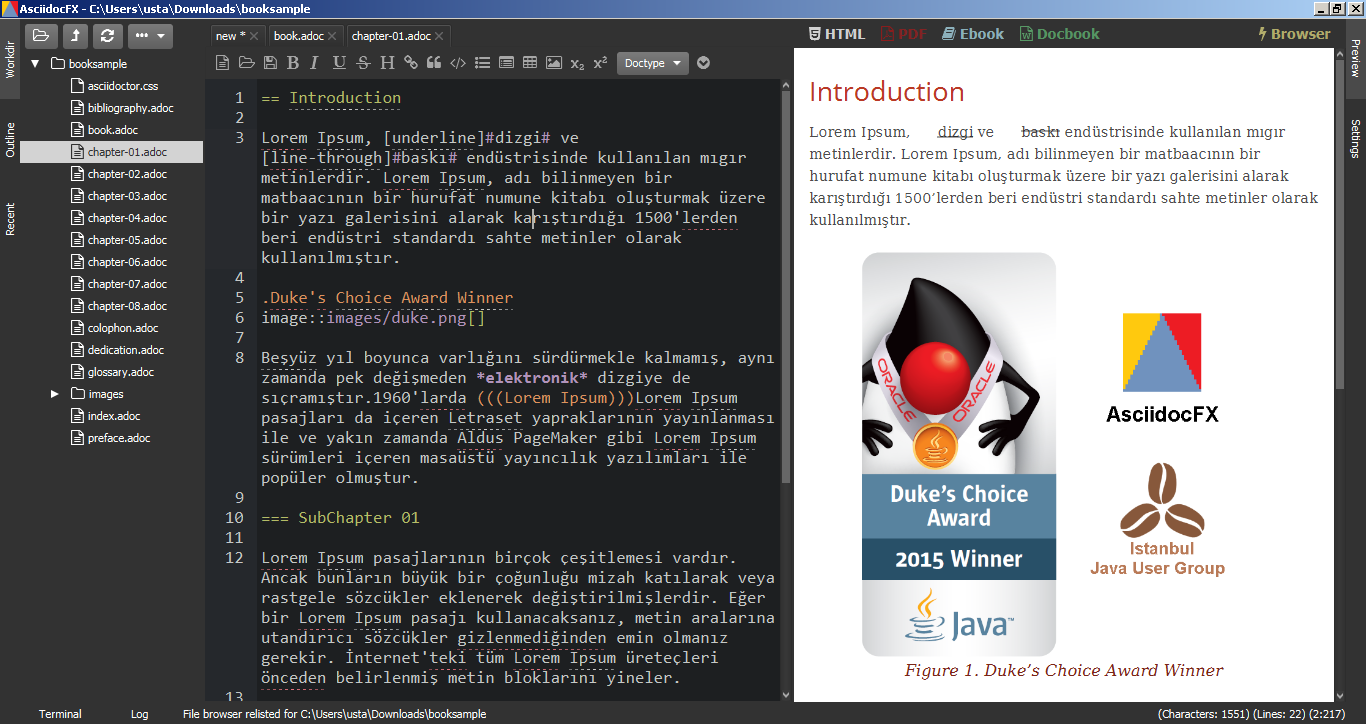
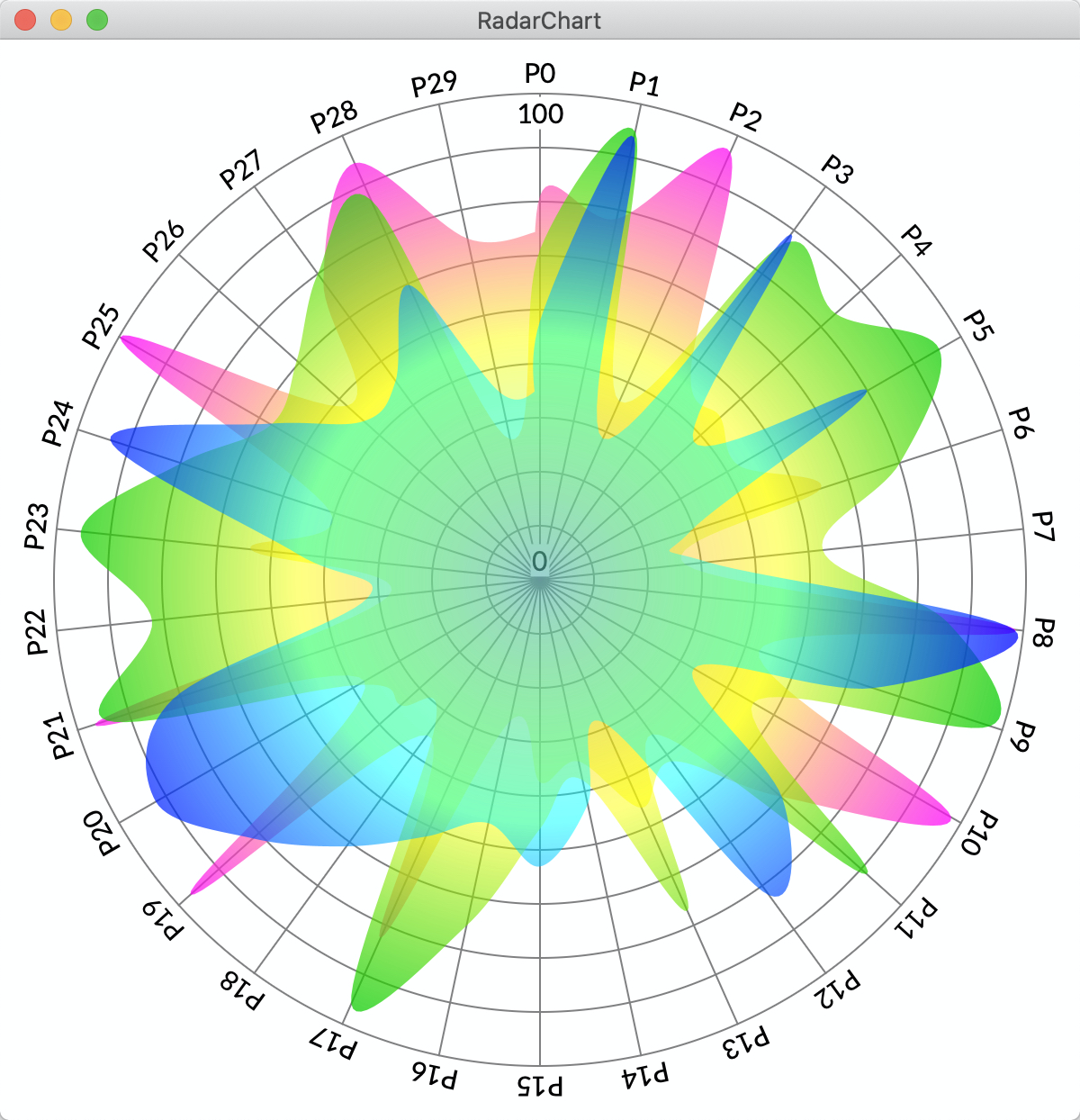
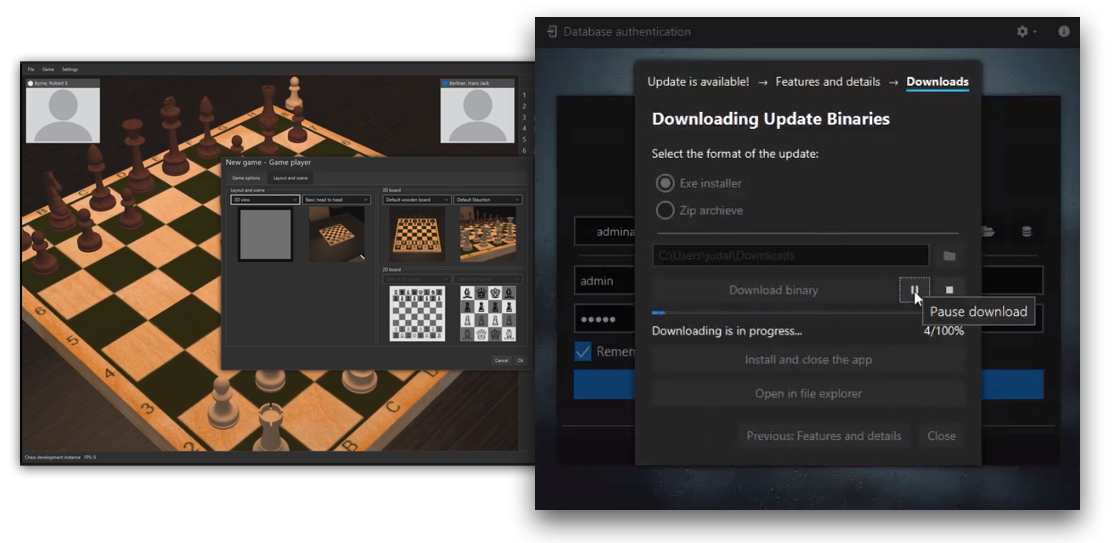
JavaFX runtime is available as a platform-specific SDK, as a number of jmods, and as a set of artifacts in Maven Central.
JavaFX, also known as OpenJFX, is free software; licensed under the GPL with the class path exception, just like the OpenJDK.
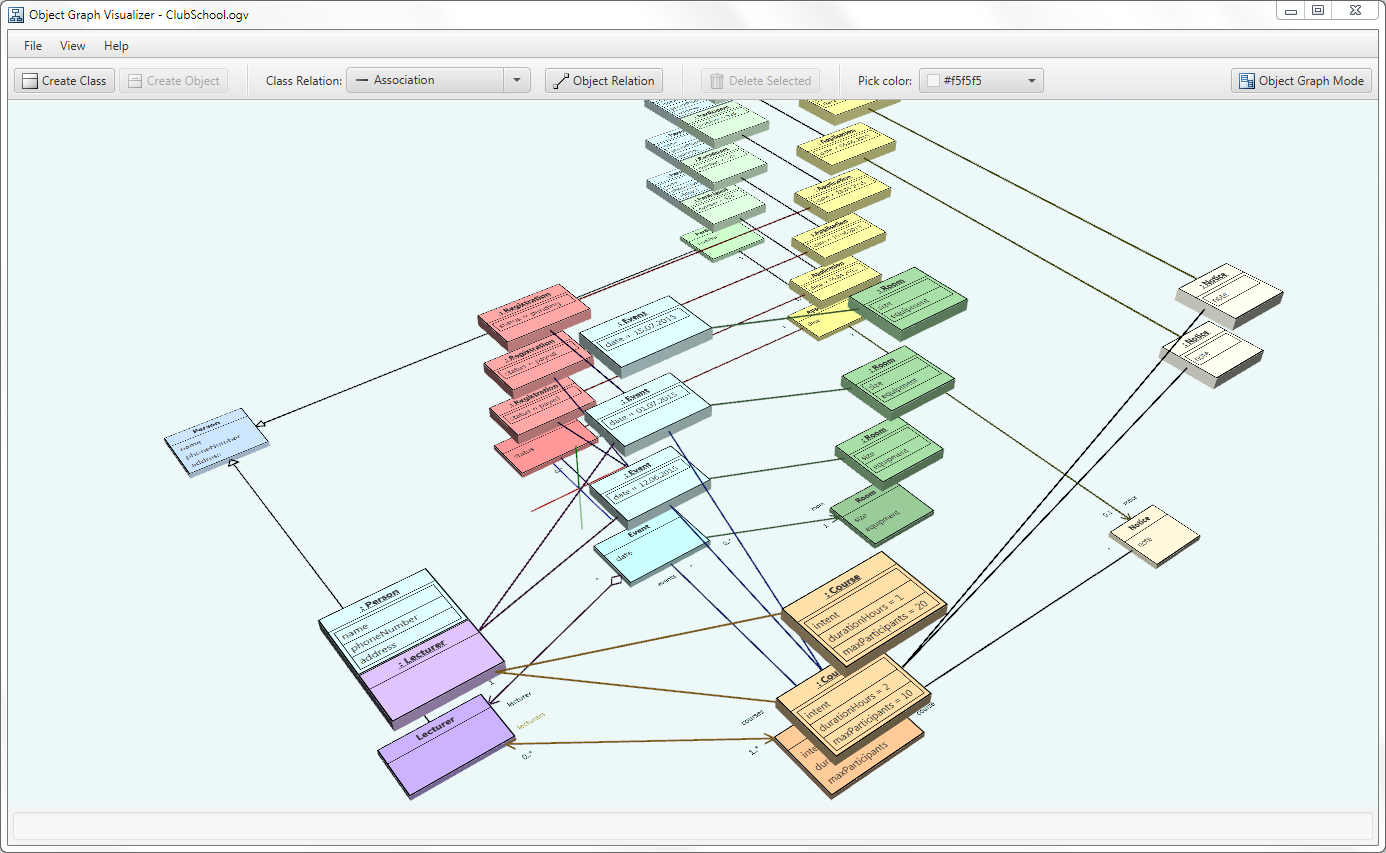
Create beautiful user interfaces and turn your design into an interactive prototype. Scene Builder closes the gap between designers and developers by creating user interfaces which can be directly used in a JavaFX application.
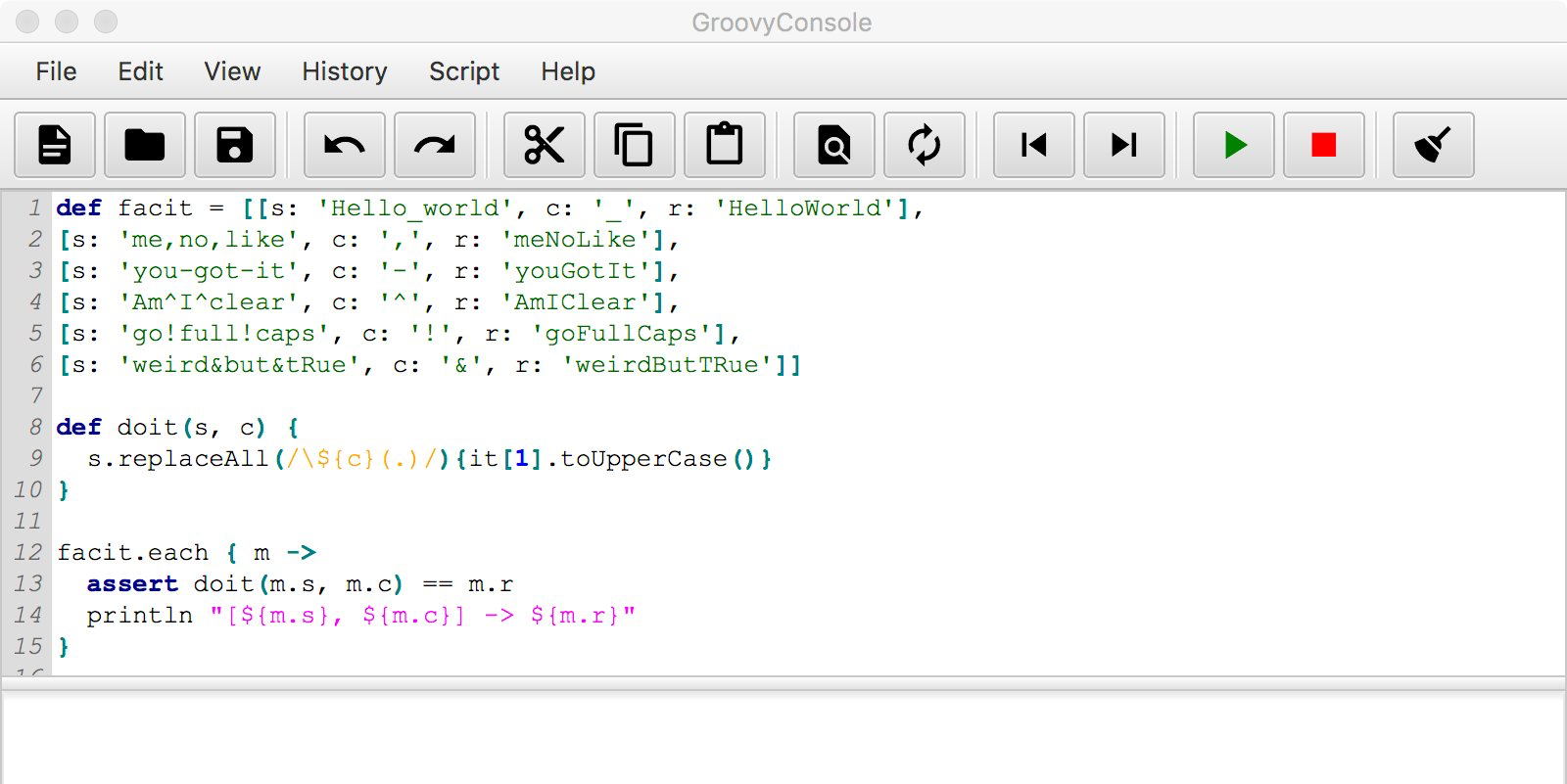
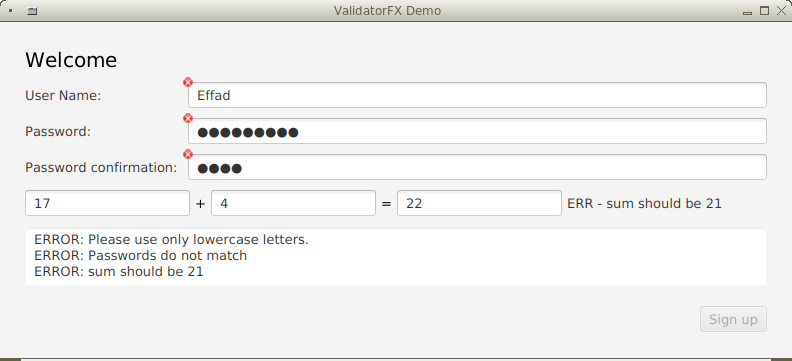
TestFX allows developers to write simple assertions to simulate user interactions and verify expected states of JavaFX scene-graph nodes.
Eastern Promises is not about Russian gangsters. It is about how modern people, stripped of national identity by migration or trauma, construct new identities through ritual pain. Cronenberg, a master of body horror, finds his ultimate horror not in parasites or telepathy, but in the mundane reality of the tattoo needle. In the film’s world, you are not what you think. You are not what you say. You are only what is inked into your flesh. And once the ink dries, there is no going back to innocence.
The film’s final reveal—that Nikolai is not a hardened criminal but an undercover FSB agent (or is he? The ambiguous ending leaves it open)—changes the reading of the tattoos. If Nikolai is a spy, then his tattoos are a lie. He has willingly scarred himself with a false history to penetrate the tribe. Eastern Promises
Cronenberg emphasizes this textuality. In the famous bathhouse scene, the camera lingers on Nikolai’s exposed back, allowing the audience to “read” his history—violence, authority, penance—before he fights. The film suggests that in the diaspora, where legal records are fluid, the body becomes the only permanent record. To be an Eastern European immigrant in London is to carry one’s past in one’s dermis. Eastern Promises is not about Russian gangsters
This scene is the film’s thesis statement. Stripped of clothes (social status) and weapons (technology), Nikolai has only his body and his training. The fact that he survives—by using his knowledge of anatomy (a Cronenberg hallmark) to gouge an eye—proves that his identity is not in his suit or his car, but in the muscle memory of violence. The steam that clouds the room acts as the chaos of the diaspora: in the fog, you cannot see your enemy’s face; you can only feel his knife. In the film’s world, you are not what you think
The Tattooed Text: Reading Identity and Ritual in Cronenberg’s Eastern Promises
This is the paper’s interesting conclusion: Eastern Promises posits that the most authentic identity is the one you choose to scar yourself with. The Russian mobsters have tattoos because they served time. Nikolai has tattoos because he chose to serve time. In the end, when he receives the final ritual promotion (the “thief’s star” tattooed on his chest), he is no longer performing. The act of becoming the lie has made it true. The eastern promise is this: loyalty to the tribe requires a permanent, painful rewriting of the self.