Trinil is an echo. And if you listen closely, above the rush of the Solo, you can still hear it — the first faint footstep of a creature learning to stand up and look toward the horizon.
Trinil is not a grand museum or a polished monument. It is a place of mud, mosquitoes, and immense implication. When you pick up a smooth stone from that riverbank, you wonder: did a hand very much like yours, yet separated by a million years of ice ages and rising seas, hold this same stone? Did they look at the same water, feel the same sun, and wonder where they came from?
To hold "Trinil" in your mouth is to taste a turning point. Before Trinil, the human family tree was a simple, biblical line. After Trinil, it became a tangled, ancient thicket. The shell of a river mussel, found nearby, still bears a zigzag engraving — possibly the oldest known geometric marking made by a human ancestor. Was it art? A map? A bored hominid scratching a stone tool against calcium carbonate while listening to the river flow?


Sign up to receive all the latest news and special offers


AI-Enhanced Data Platform for Business Growth & Retention


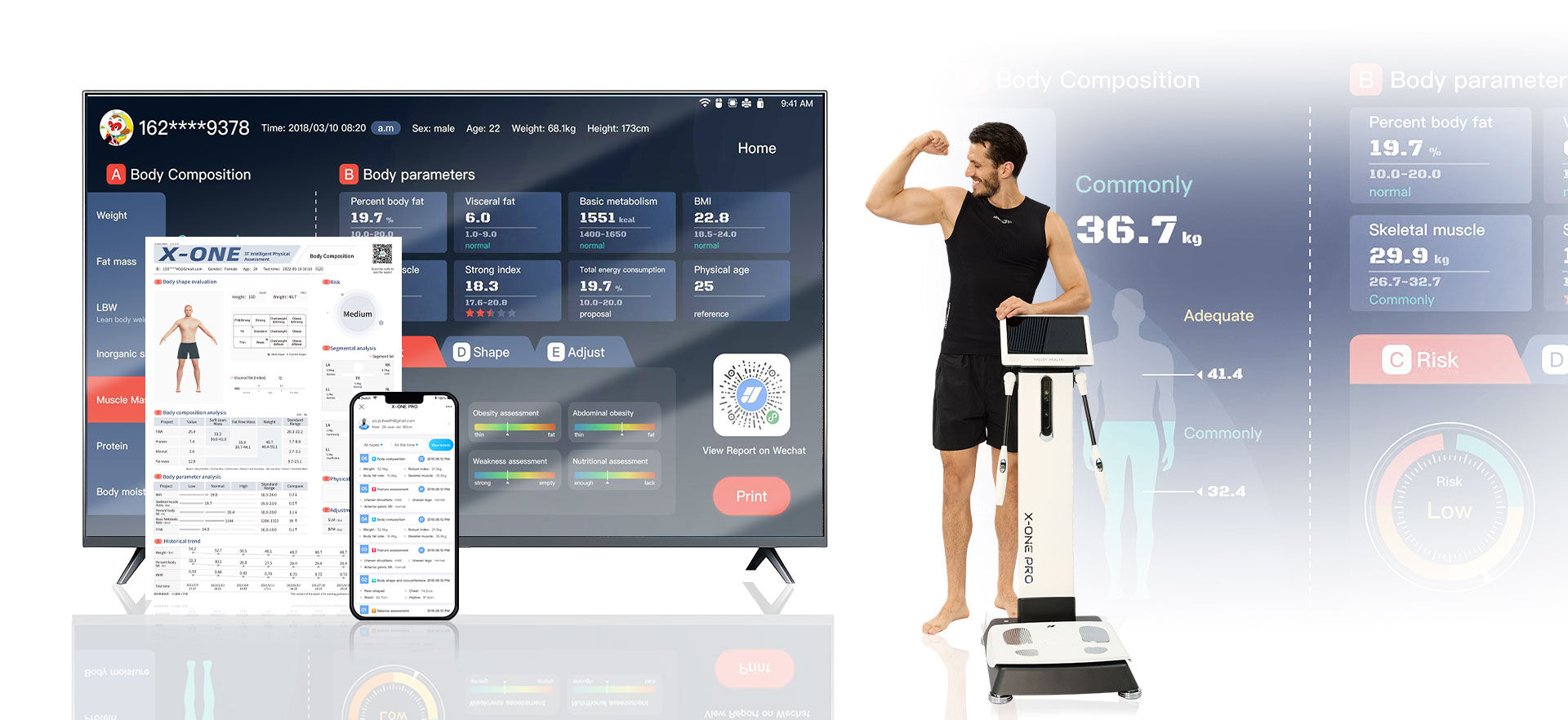
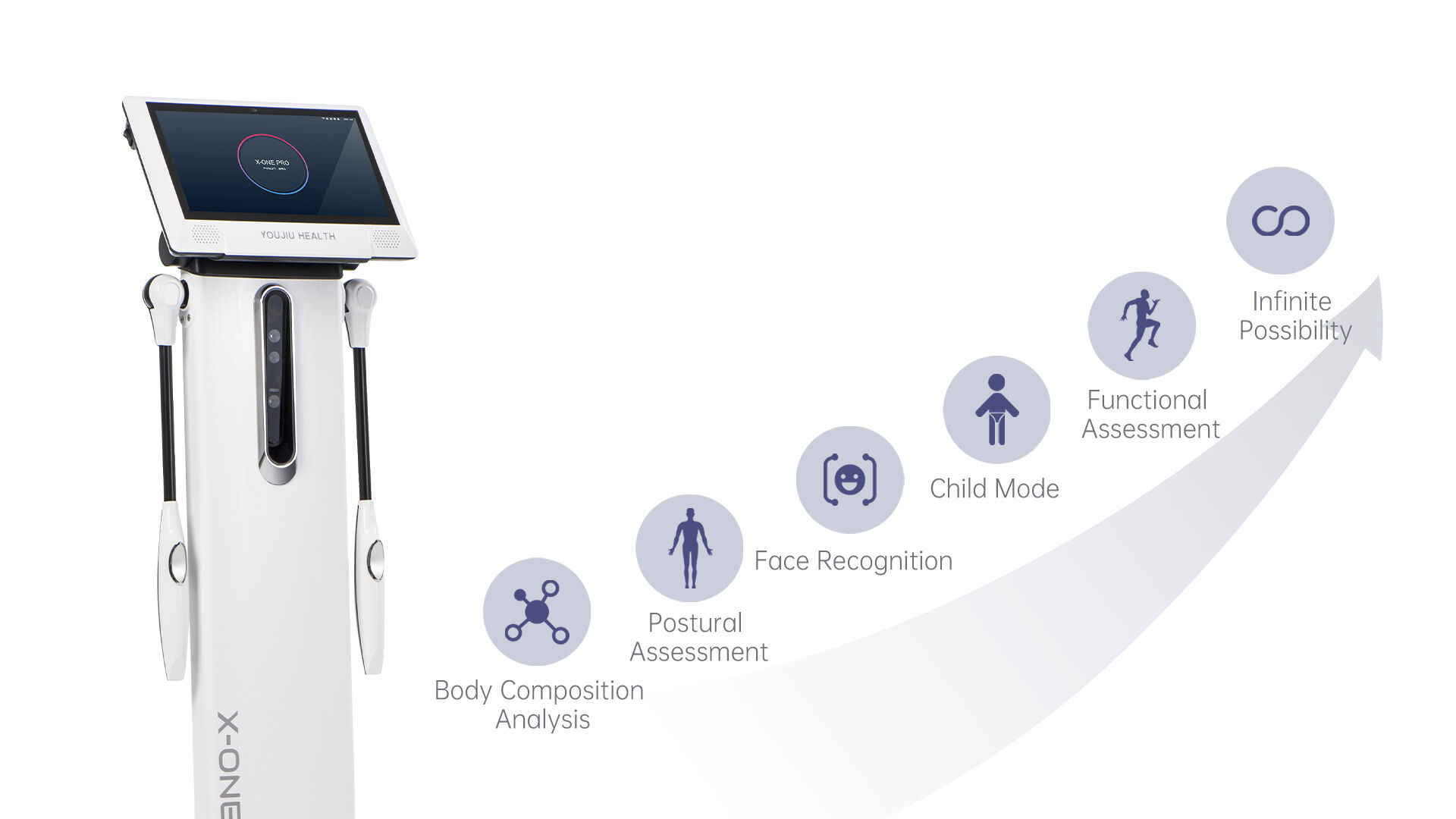
Deliver individualized body composition analysis—free from demographic assumptions—for precise, tailored results on every patient’s health journey. Trinil

Use detailed body composition metrics and progress tracking to develop evidence-based care plans and showcase tangible results. Trinil is an echo

Benefit from HIPAA-compliant cloud storage and advanced encryption, keeping patient data safe while allowing secure access from anywhere. It is a place of mud, mosquitoes, and immense implication

Access, analyze, and share patient information securely from any location with LookInBody Web—featuring advanced analytics and customizable reporting.






































































Trinil is an echo. And if you listen closely, above the rush of the Solo, you can still hear it — the first faint footstep of a creature learning to stand up and look toward the horizon.
Trinil is not a grand museum or a polished monument. It is a place of mud, mosquitoes, and immense implication. When you pick up a smooth stone from that riverbank, you wonder: did a hand very much like yours, yet separated by a million years of ice ages and rising seas, hold this same stone? Did they look at the same water, feel the same sun, and wonder where they came from?
To hold "Trinil" in your mouth is to taste a turning point. Before Trinil, the human family tree was a simple, biblical line. After Trinil, it became a tangled, ancient thicket. The shell of a river mussel, found nearby, still bears a zigzag engraving — possibly the oldest known geometric marking made by a human ancestor. Was it art? A map? A bored hominid scratching a stone tool against calcium carbonate while listening to the river flow?