
From the creator
of the original "The Settlers"
- Volker Wertich
From the creator
of the original "The Settlers"
- Volker Wertich
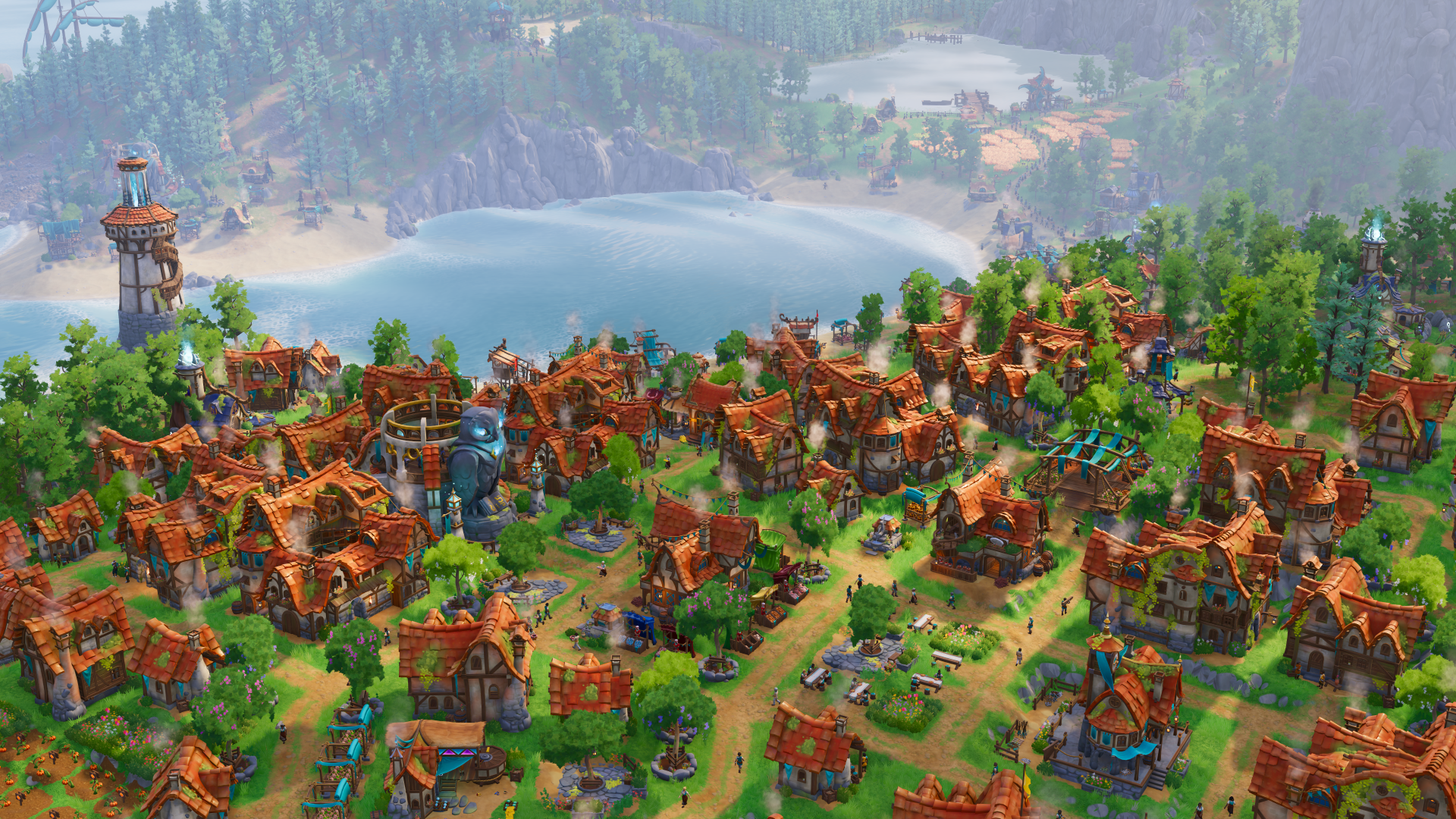
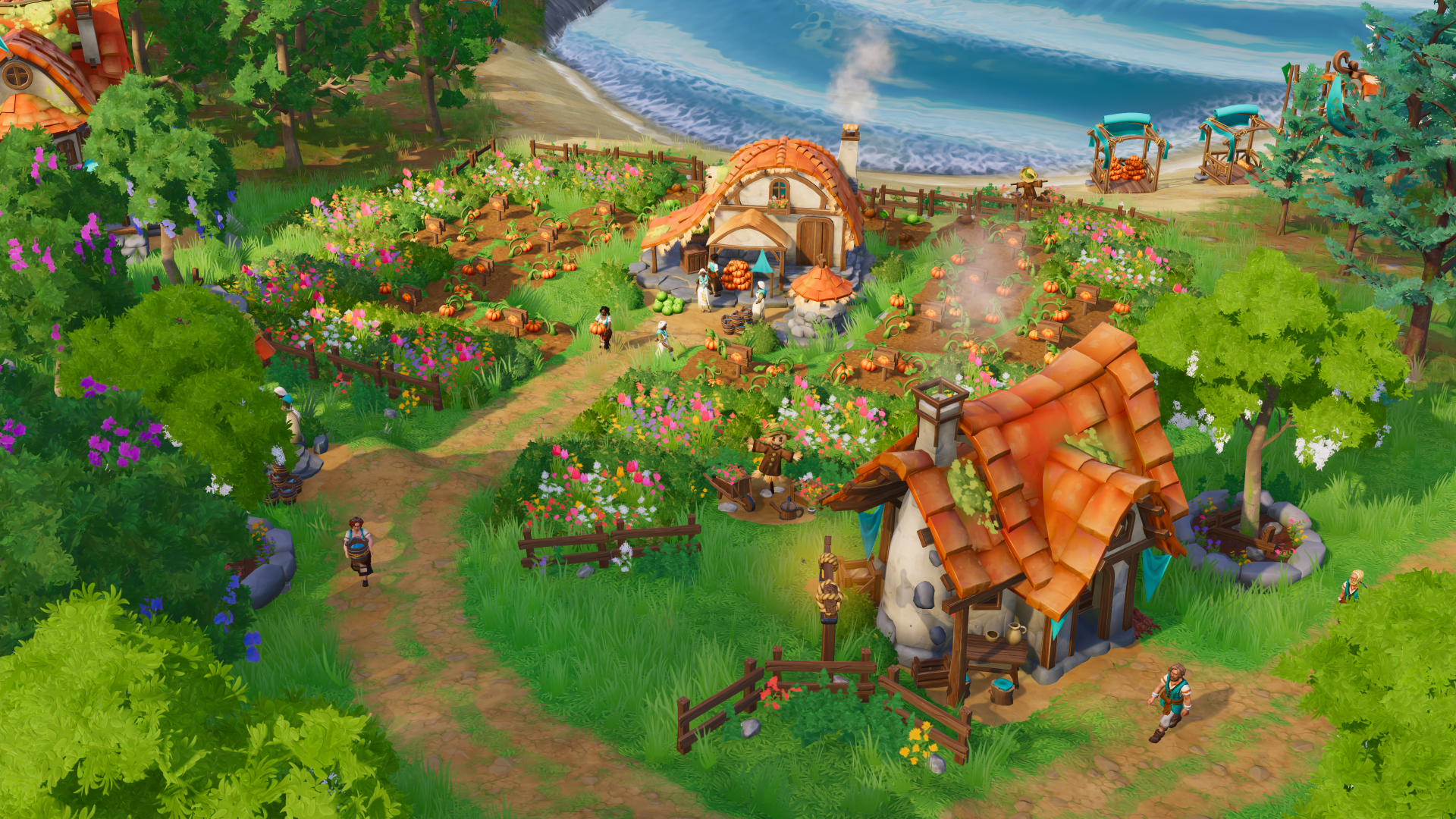
As a brave Pioneer you lead your people through a world that was devoured by fog—a world made up of countless islands, in which hope, craftsmanship and community must rise again. Establish settlements, discover lost tribes, unfold new technologies and face the dangers that lie in wait within the fog. Experience the story campaign: You are a navigator in search of the Tower of Visions—the heart of a fragmented world.
A people, cloaked in fog. One mission: Restore hope.
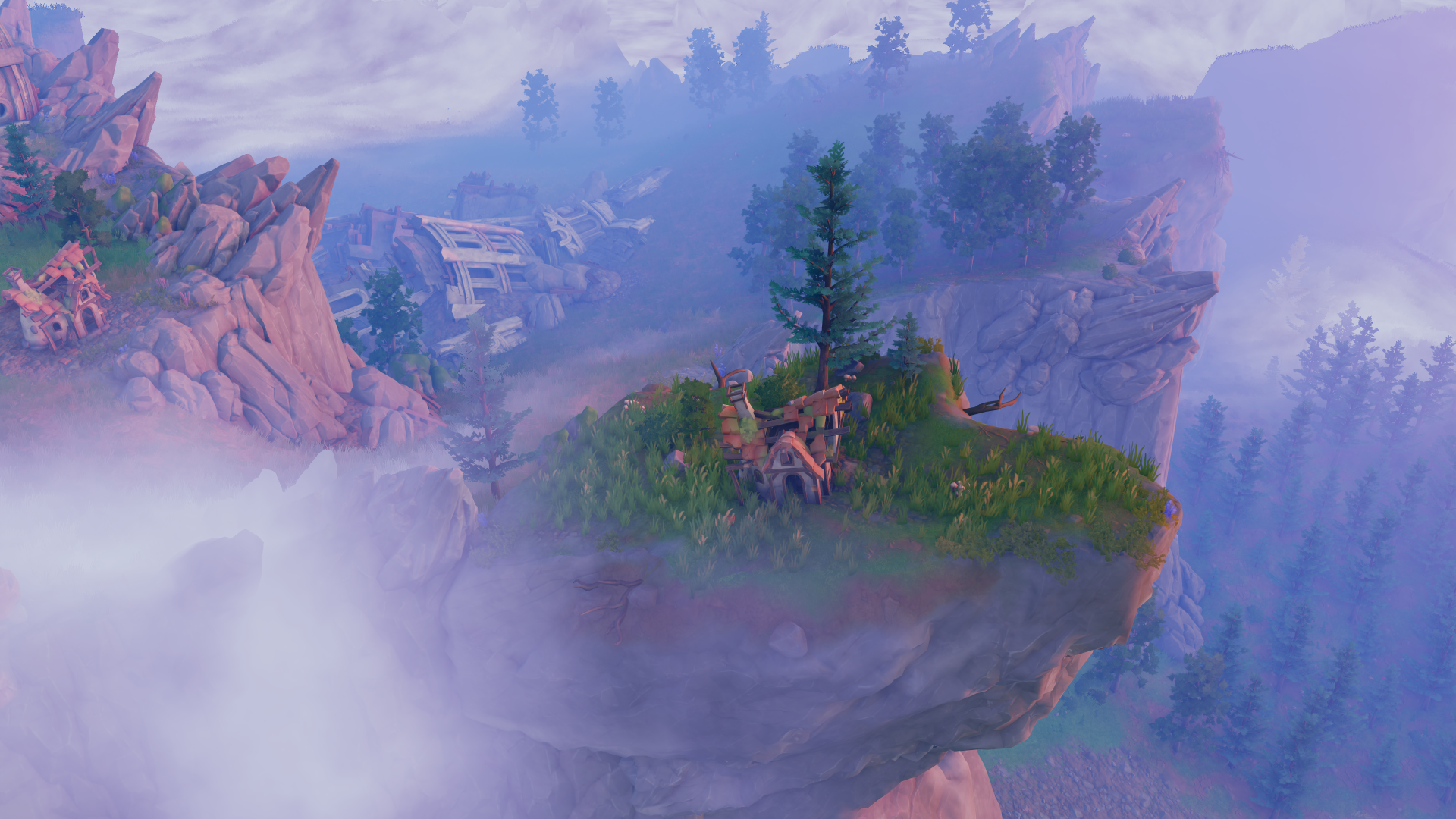
The catastrophe saw Pagonia fractured into countless isles. As the navigator, you are chosen to dispel the fog and reunite the world. Journey from island to island, meet unique factions, face dangerous enemies and find out what really happened. Un Cuento Americano -An American Tail - 1986 - ...
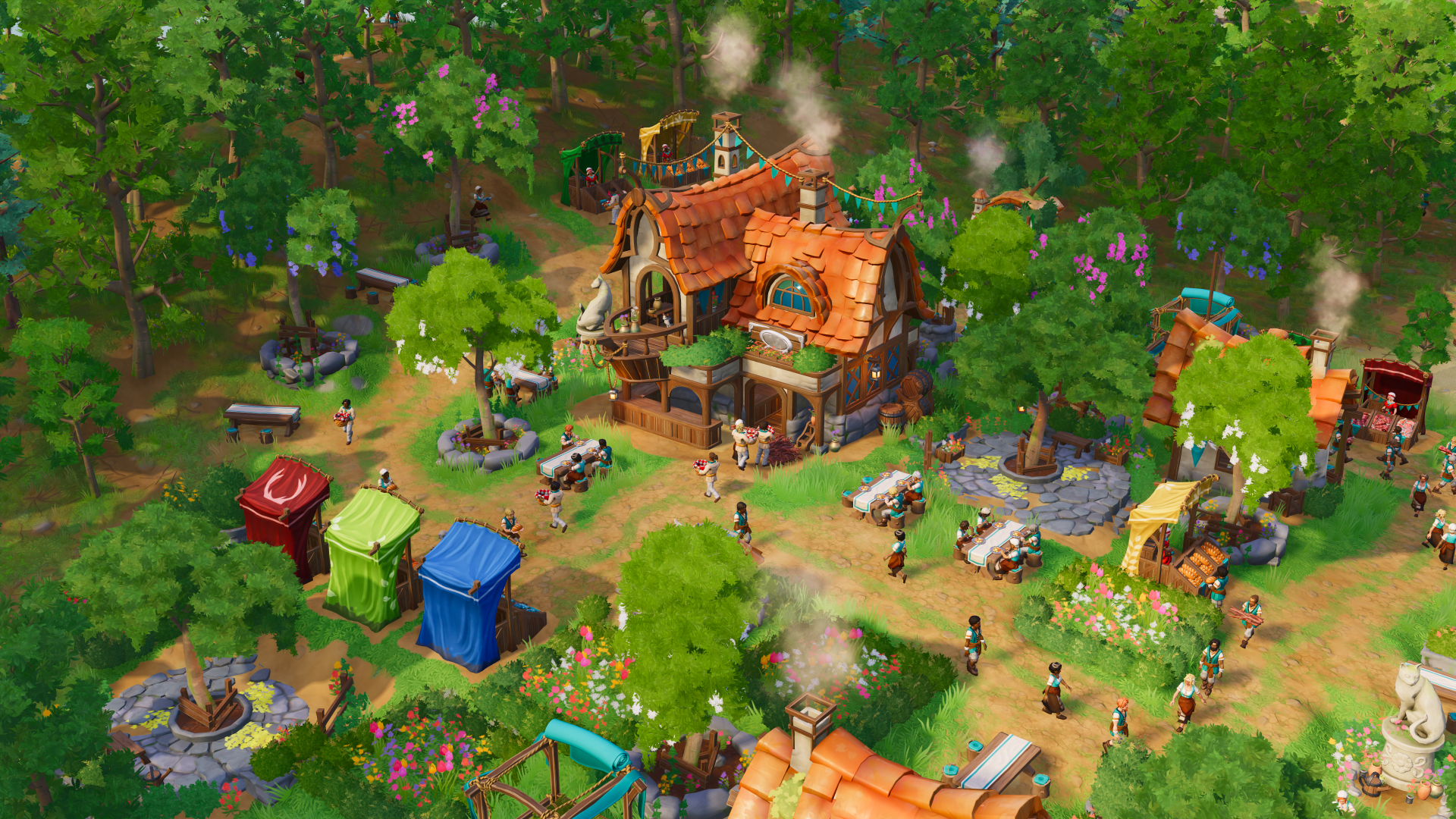
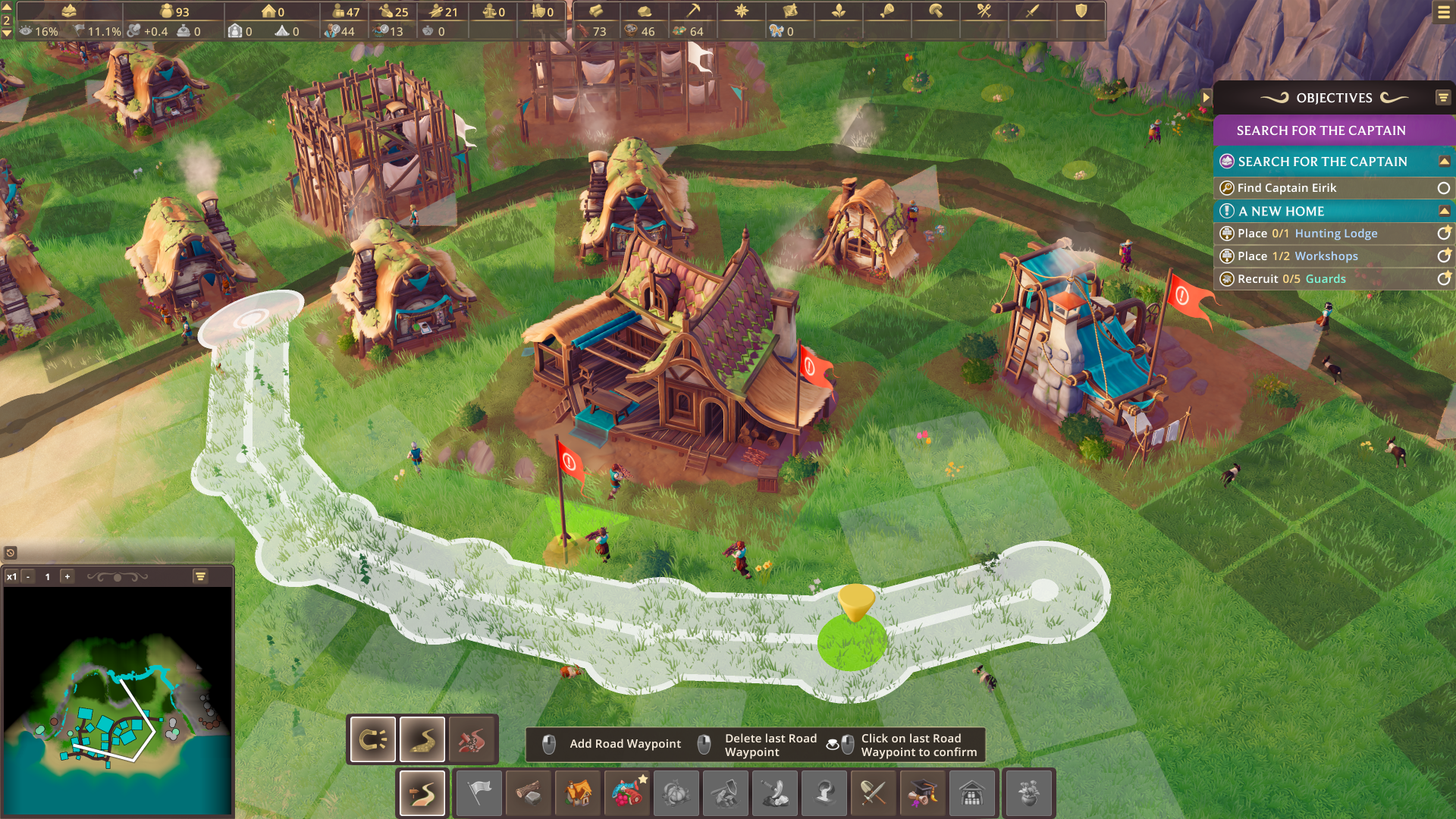
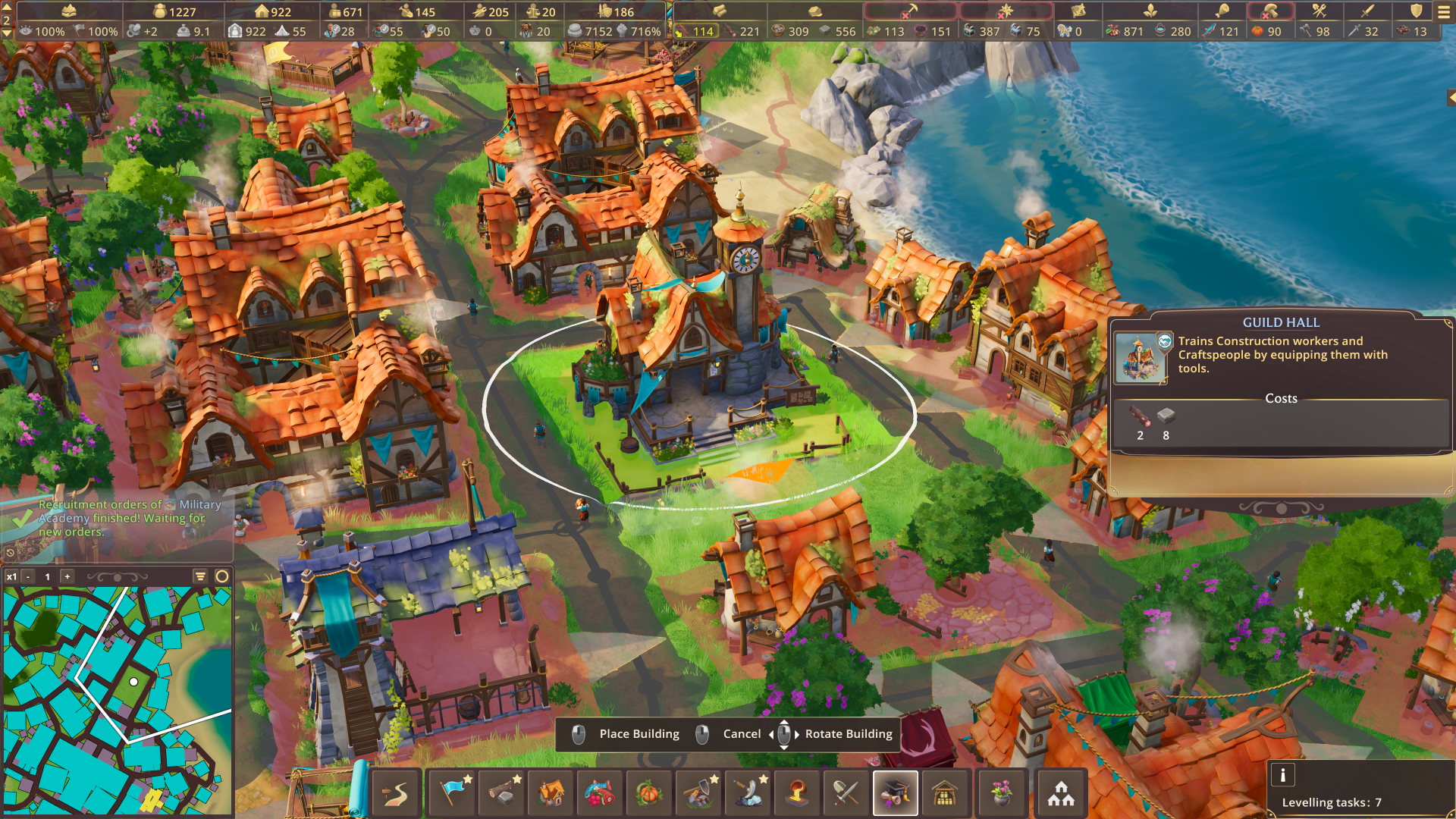
Construct a thriving economy with more than 60 building types and more than 100 commodities. Every production step is visible—from Forester to Weaponsmith. Watch as thousands of Pagonians simultaneously work, trade and live, bringing your world to life.
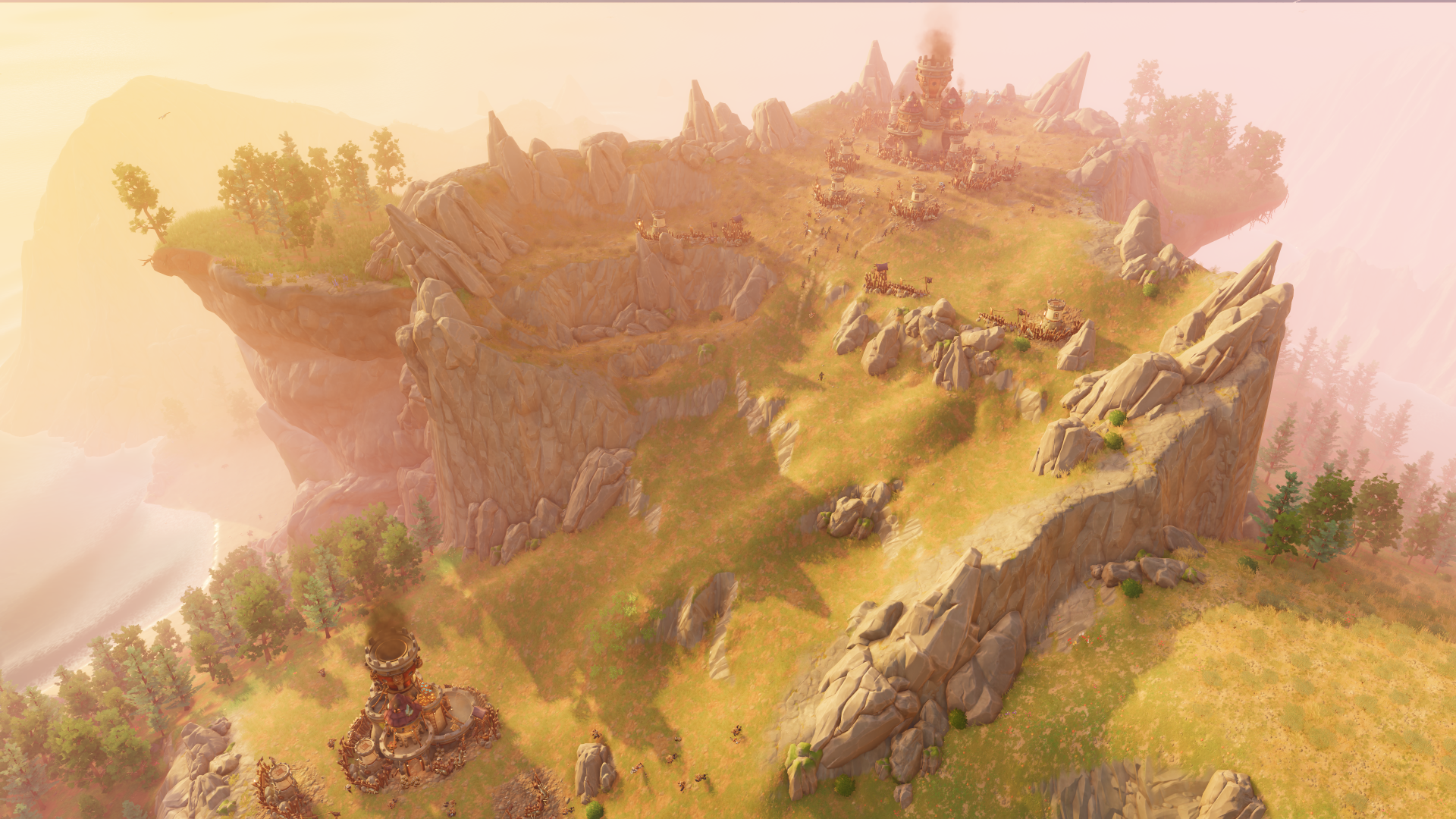
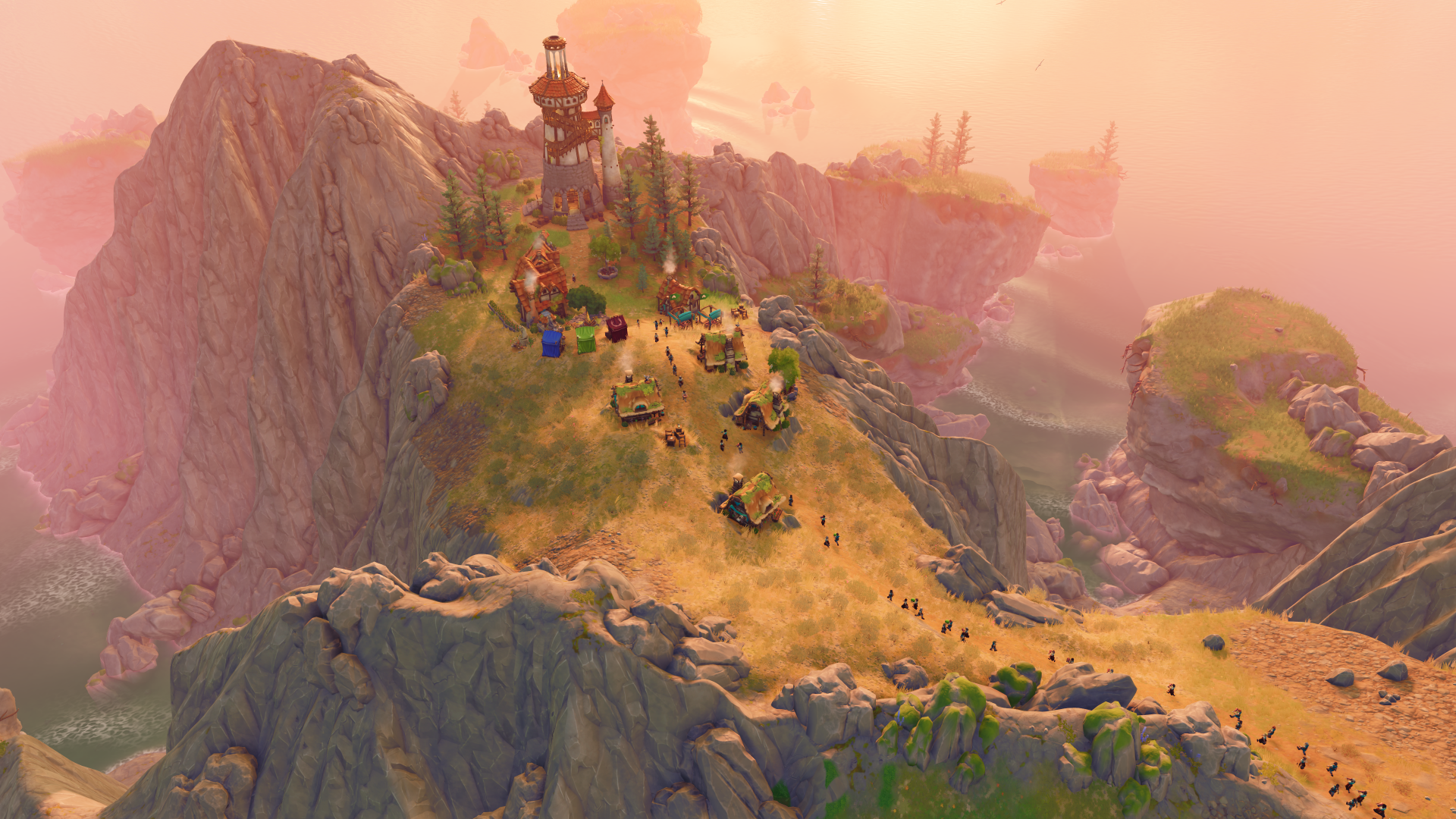
Explore procedurally generated islands with different landscapes, tribes and challenges. Befriend other factions and unite them through actions and trade. The final reunion of the Mousekewitz family does
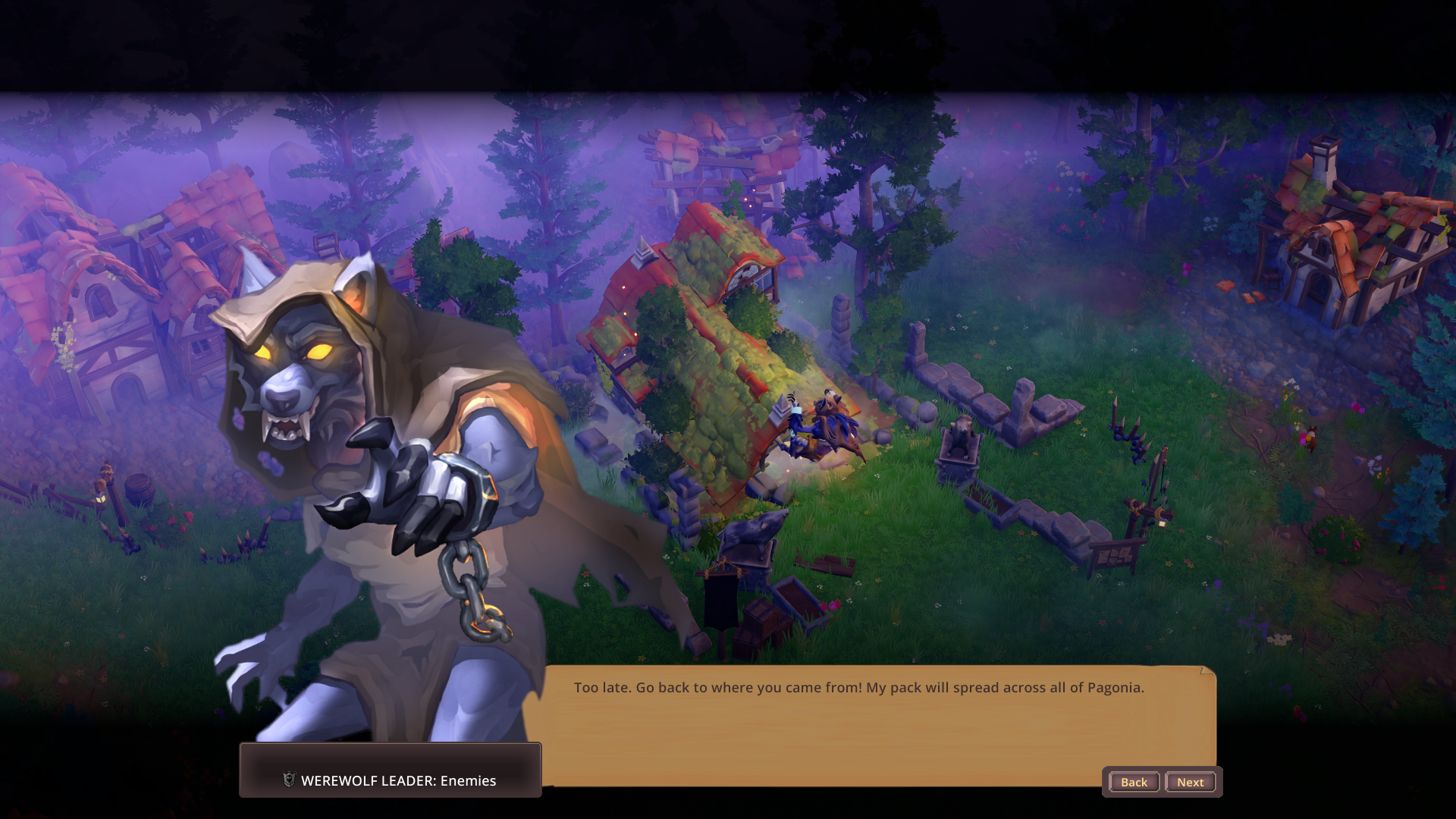
Not every encounter is peaceful: Bandits, ruthless Scavs und mythical beings threaten your settlement.
Experience Pioneers of Pagonia in shared co-op for up to 4 players. Build, plan and raise a settlement together. Everyone can trade, construct buildings or manage resources at the same time—you create your world together. America, the geographic location and the political entity,
Use the integrated Pagonia Editor to shape your own islands, adventures and challenges. Create maps, share them with the community and explore how an idea turns into a world: Pagonia grows through you—island by island.

The final reunion of the Mousekewitz family does not occur on a sunny American street, but in the dark, communal sewers—the literal underworld of the city. When Papa Mousekewitz finally embraces Fievel, he does not sing again of a land with “no cats.” He whispers a new truth: “We’re not in America anymore. We’re home.” The film’s profound genius lies in this distinction. America, the geographic location and the political entity, has failed them. “Home” is no longer a place; it is a people. It is the family unit, the community of fellow refugees, and the shared memory of survival. The film ends not with assimilation, but with a resilient, self-contained ethnic enclave—a little Odessa on the Hudson.
Don Bluth’s An American Tail (1986) is often remembered for its plucky hero, Fievel Mousekewitz, and its Oscar-nominated anthem, “Somewhere Out There.” On the surface, it is a heartwarming children’s adventure about a young Russian-Jewish mouse who gets separated from his family and must find his way back to them in America. However, to view the film solely as a simple tale of reunion is to ignore its radical, almost subversive core. Beneath the animated fur and catchy songs lies a devastating critique of the American Dream, a raw depiction of immigrant trauma, and a profound meditation on how a community redefines itself in the face of disillusionment.
The film opens in the shtetls of Cossack-ruled Russia, where the mouse community lives under the shadow of brutal feline pogroms. The film does not sanitize this terror. The burning of the village square, the frantic scattering of families, and the haunting silhouette of the cats against the fire are visceral images. Fievel’s father, Papa Mousekewitz, offers the antidote to this trauma: a promise of a mythical America. “There are no cats in America,” he sings, painting a utopia where the streets are paved with cheese and the “land of opportunity” is free from persecution. This song is the film’s thesis statement, and the rest of the narrative is dedicated to methodically, mercilessly disproving it.
The journey itself is the first betrayal. The ocean voyage is not a romantic passage but a cramped, storm-tossed nightmare that literally washes Fievel overboard. When the family finally arrives at the New York Harbor, the Statue of Liberty is not a beacon of hope; it is a melancholic silhouette in the rain, underscoring the chasm between expectation and reality. America is not the promised land; it is a grimy, industrial jungle of tenements, sweatshops, and corruption. The cats are not only present but are organized, ruthless capitalists. The film’s most brilliant allegorical move is the “Great Mouse Massacre of 1897”—a false flag operation orchestrated by the cats (who control the political machine of Tammany Hall) to turn immigrant mice against each other. This is a direct reference to the real-world exploitation of ethnic divisions by factory owners and political bosses. The dream is not just deferred; it is weaponized against the dreamers.

Envision Entertainment GmbH - Binger Str. 38 - 55218 Ingelheim - Germany
Geschäftsführer: Dirk Ringe, Volker Wertich - UST-ID: DE815458787
Handelsregisternummer: HRB 44926 - Amtsgericht Bingen-Alzey
© Copyright 2025 by Envision Entertainment. No unauthorized use allowed.


 Bluesky