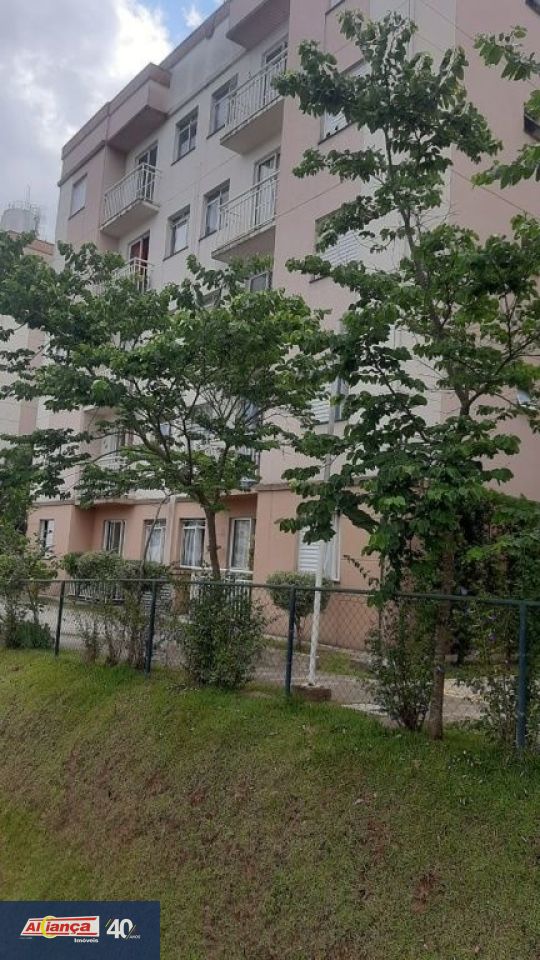
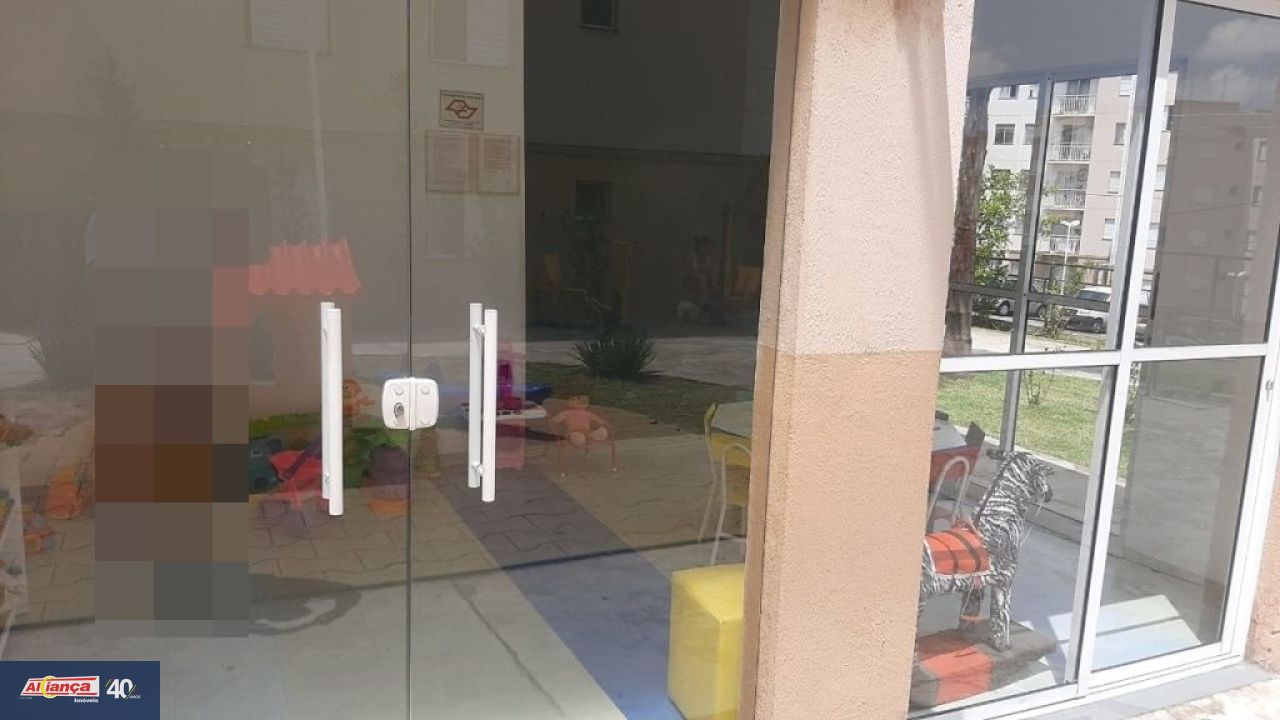
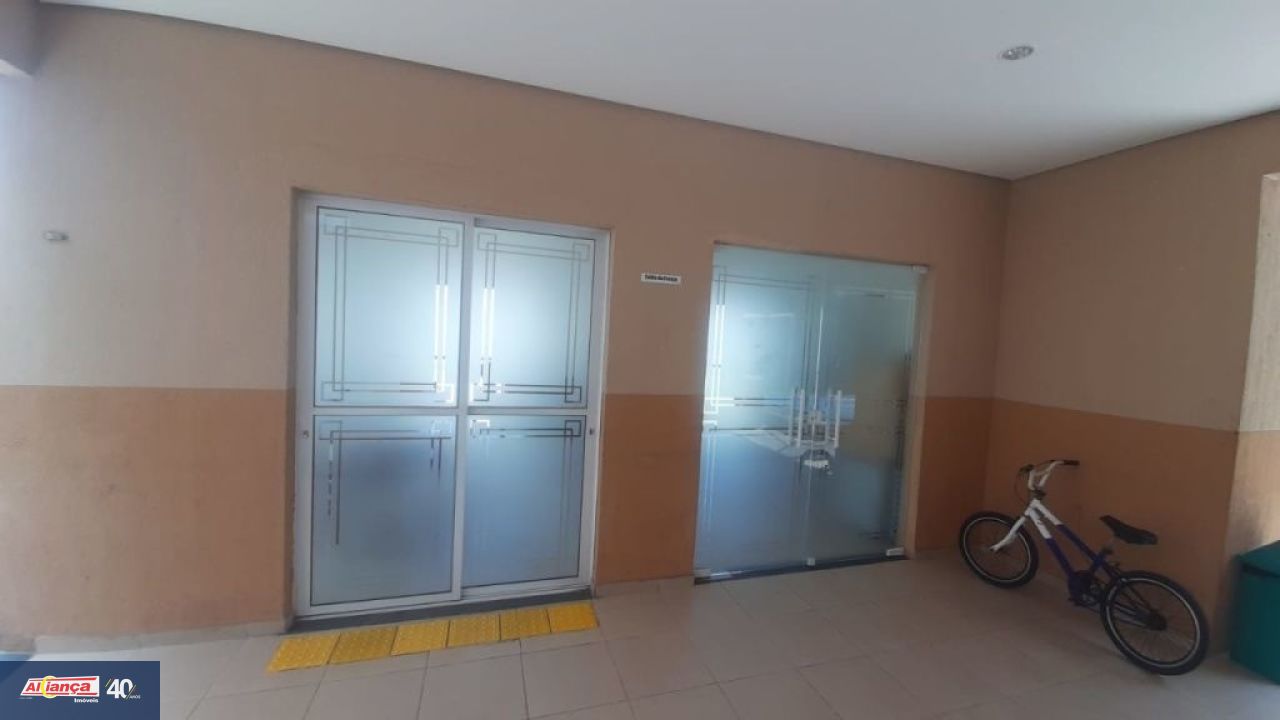
25 Foto(s)

















Kerala’s geography is not just a backdrop in its cinema; it is a living, breathing entity that shapes character and plot. The incessant monsoon rain, the labyrinthine backwaters, the misty high-range tea plantations, and the dense, dark forests of the Western Ghats are imbued with symbolic weight. In G. Aravindan’s masterwork Thambu (The Circus Tent, 1978), the journey of a traveling circus troupe through the Kerala countryside becomes a philosophical meditation on life, art, and transience. The landscape is never merely pretty; it is melancholic, nurturing, and treacherous in equal measure.
The result was a wave of films that eschewed song-and-dance routines for long takes, ambient sound, and complex characters grappling with real-life dilemmas. A film like Elippathayam (The Rat Trap, 1981) by Adoor Gopalakrishnan used the decaying feudal manor of a landlord unable to adapt to modernity as a metaphor for Kerala’s own transitional trauma. This realism is not a stylistic choice but a cultural value—a belief that the everyday lives, anxieties, and dialects of Keralites are worthy of epic treatment. XWapseries.Lat - Tango Mallu Model Apsara And B...
Kumbalangi Nights (2019) became a cultural phenomenon by subverting the traditional tharavadu narrative. Set in a ramshackle house on the backwaters of Kumbalangi island, the film celebrates a non-normative, fragile “family” of four estranged brothers. It directly confronts toxic masculinity, the need for emotional intimacy, and the possibility of chosen kinship—themes that resonate profoundly with a younger, more urbanized Kerala grappling with mental health crises and changing relationship dynamics. Similarly, The Great Indian Kitchen (2021) used the most intimate and gendered space—the kitchen—as a site of systematic, patriarchal oppression, sparking a statewide conversation on domestic labor, menstrual hygiene, and religious patriarchy. The film’s impact moved from the screen to real life, with reports of women leaving oppressive households and public debates on temple entry and kitchen duties. Kerala’s geography is not just a backdrop in
The backwaters, particularly in films like Perumazhakkalam (A Time of Heavy Rain, 2004), represent a liminal space—a fluid boundary between communities, religions, and fates. The high-range plantations in Paleri Manikyam: Oru Pathirakolapathakathinte Katha (2009) serve as a stark setting to expose the brutal caste and labor hierarchies that persisted even in Kerala’s more egalitarian self-image. This deep integration of landscape into storytelling is a unique hallmark of Malayalam cinema, reflecting the Keralite’s profound, daily negotiation with a fertile yet demanding natural environment. Aravindan’s masterwork Thambu (The Circus Tent, 1978), the
Kerala’s geography is not just a backdrop in its cinema; it is a living, breathing entity that shapes character and plot. The incessant monsoon rain, the labyrinthine backwaters, the misty high-range tea plantations, and the dense, dark forests of the Western Ghats are imbued with symbolic weight. In G. Aravindan’s masterwork Thambu (The Circus Tent, 1978), the journey of a traveling circus troupe through the Kerala countryside becomes a philosophical meditation on life, art, and transience. The landscape is never merely pretty; it is melancholic, nurturing, and treacherous in equal measure.
The result was a wave of films that eschewed song-and-dance routines for long takes, ambient sound, and complex characters grappling with real-life dilemmas. A film like Elippathayam (The Rat Trap, 1981) by Adoor Gopalakrishnan used the decaying feudal manor of a landlord unable to adapt to modernity as a metaphor for Kerala’s own transitional trauma. This realism is not a stylistic choice but a cultural value—a belief that the everyday lives, anxieties, and dialects of Keralites are worthy of epic treatment.
Kumbalangi Nights (2019) became a cultural phenomenon by subverting the traditional tharavadu narrative. Set in a ramshackle house on the backwaters of Kumbalangi island, the film celebrates a non-normative, fragile “family” of four estranged brothers. It directly confronts toxic masculinity, the need for emotional intimacy, and the possibility of chosen kinship—themes that resonate profoundly with a younger, more urbanized Kerala grappling with mental health crises and changing relationship dynamics. Similarly, The Great Indian Kitchen (2021) used the most intimate and gendered space—the kitchen—as a site of systematic, patriarchal oppression, sparking a statewide conversation on domestic labor, menstrual hygiene, and religious patriarchy. The film’s impact moved from the screen to real life, with reports of women leaving oppressive households and public debates on temple entry and kitchen duties.
The backwaters, particularly in films like Perumazhakkalam (A Time of Heavy Rain, 2004), represent a liminal space—a fluid boundary between communities, religions, and fates. The high-range plantations in Paleri Manikyam: Oru Pathirakolapathakathinte Katha (2009) serve as a stark setting to expose the brutal caste and labor hierarchies that persisted even in Kerala’s more egalitarian self-image. This deep integration of landscape into storytelling is a unique hallmark of Malayalam cinema, reflecting the Keralite’s profound, daily negotiation with a fertile yet demanding natural environment.
©2025 Copyright - Aliança Imóveis LTDA | CNPJ: 45.989.530/0001-42 | Todos os direitos reservados